
Discover the 10 best tourist attractions in Austria, from alpine villages and historic cities to breathtaking castles and scenic mountain landscapes. I still remember the first time I stood on the banks of the Danube in Vienna, coffee in hand, watching the city wake up around me. The gilded domes, the old men playing chess in the park, the scent of fresh Apfelstrudel drifting from a nearby café — it was the moment I understood why Austria keeps pulling travelers back, year after year.
If you’re planning a trip and wondering what are the best tourist attractions in Austria worth your time and money, you’ve landed in the right place. This isn’t a generic list scraped from a travel brochure. This is what I’ve personally walked, explored, and fallen in love with — curated for travelers who want depth, not just highlights.
Let’s get into it.
Why Austria Belongs on Every Traveler’s Bucket List
Austria is one of those rare destinations that works for almost everyone. History lovers, architecture fans, music pilgrims, nature seekers, foodies — the country delivers on every front. And while Vienna rightfully dominates travel headlines, the regions beyond the capital — Salzburg, the Tyrol, Hallstatt, the Wachau Valley — offer experiences that are equally jaw-dropping and far less crowded.
According to Austria Tourism’s official statistics, the country welcomed over 30 million tourist arrivals in 2023, a figure that reflects not just popularity but the genuine staying power of its cultural and natural offerings.
For a broader overview of what makes this country special, I’d recommend checking out this comprehensive local’s guide to tourist attractions in Austria — it covers a lot of the regional gems I touch on here in even greater detail.
Now, let’s walk through the top 10.
10 Best Tourist Attractions in Austria You Should Visit in 2026
1. Schönbrunn Palace, Vienna — Imperial Grandeur at Its Finest

If Vienna is Austria’s crown, Schönbrunn is the jewel in it. This 1,441-room Baroque palace was the summer residence of the Habsburg dynasty for centuries, and stepping through its gates feels like walking into a living history book. The formal gardens alone cover 1.2 kilometers and are free to enter year-round.
What to do: Book the “Grand Tour” audio guide (about €24) to access all the important imperial apartments. Don’t skip the Gloriette hill — the panoramic view of Vienna from up there is one I’d recommend to anyone, even if you’re short on time.
What not to do: Avoid arriving at 10 AM on a weekend in July. The queues can eat up 45 minutes before you even get inside. Go at opening time (8 AM) or later in the afternoon.
2. Hallstatt — The World’s Most Photographed Village
I’ll be honest — I was skeptical about Hallstatt before I visited. How good could a village really be? Turns out, extraordinarily good. Perched between a glassy alpine lake and sheer limestone cliffs, this UNESCO World Heritage-listed village in the Salzkammergut region is almost uncomfortably beautiful.
Is Hallstatt worth visiting in 2026? Absolutely — but plan strategically. Day-trippers flood in between 10 AM and 4 PM. Stay overnight and you’ll experience a completely different, quieter place. The Hallstatt Salt Mine tour is one of Austria’s most unique cultural experiences and worth every euro of the entry fee.
3. The Vienna State Opera (Wiener Staatsoper)

No visit to Vienna is complete without at least experiencing the grandeur of the Vienna State Opera from the outside — and ideally from within. As one of the world’s leading opera houses, it hosts over 300 performances per year. Standing-room tickets (Stehplätze) cost as little as €3–€4 and are the best-kept secret in the city for budget travelers who still want world-class culture.
How to get standing room tickets: Queue at the Stehplatz entrance about 80 minutes before the performance. It’s genuinely worth the wait.
4. Hohensalzburg Fortress, Salzburg

Perched high above the rooftops of Salzburg, Hohensalzburg Fortress is one of the largest and best-preserved medieval castles in all of Europe. Built in 1077, it has never been conquered — a fact the locals are justifiably proud of. The funicular ride up is charming, though the walk is equally rewarding if you’re in good shape.
When is the best time to visit Hohensalzburg Fortress? Early morning on a weekday gives you the most space to absorb the atmosphere without the selfie sticks. The views over Salzburg’s old town and the surrounding Alps are simply breathtaking.
5. The Wachau Valley — Austria’s Most Scenic Wine Region

Stretching along the Danube between Melk and Krems, the Wachau Valley is a UNESCO-listed landscape of terraced vineyards, Baroque monasteries, and medieval villages. I’ve cycled this route twice and walked sections of it — it never gets old.
How to explore the Wachau Valley: A river cruise is the most relaxed way to take it in, but renting a bike lets you stop at vineyards, sample Grüner Veltliner wines, and arrive at your own pace. Melk Abbey, positioned dramatically above the river, is a must-stop on this route.
6. Innsbruck Old Town — The Alpine City That Has Everything
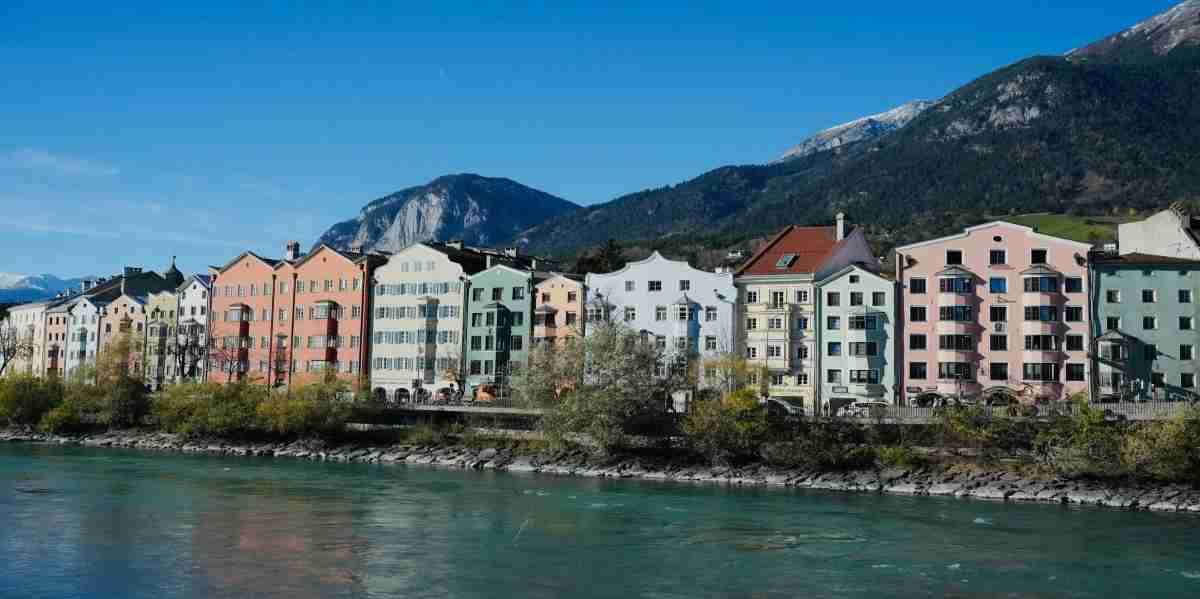
Innsbruck is one of Austria’s most underrated tourist attractions, and I say that as someone who lived there for a summer. The compact Old Town (Altstadt) is walkable in an afternoon, but the surrounding alpine terrain opens up a world of hiking, skiing, and cable car adventures that could keep you busy for weeks.
The Golden Roof (Goldenes Dachl) — a late-Gothic oriel window decorated with 2,657 fire-gilded copper tiles — is the city’s most photographed landmark and makes for a striking centerpiece to any visit.
7. Belvedere Palace & Museum Complex, Vienna
The Belvedere is one of those places that rewards you twice: first with the Baroque architectural splendor of the palace complex itself, and second with the world-class art collection inside. The Upper Belvedere houses Gustav Klimt’s The Kiss — arguably the most iconic painting in Austrian art history — alongside works by Egon Schiele and Oskar Kokoschka.
Are the Belvedere gardens free to visit? Yes. The formal French gardens between the Upper and Lower Belvedere are open to the public at no cost and are beautifully maintained year-round. This makes for one of the best free things to do in Vienna.
8. Grossglockner High Alpine Road
For drivers, this is the ultimate Austrian experience. The Grossglockner High Alpine Road is a 48-kilometer mountain route that winds through Hohe Tauern National Park, reaching an altitude of 2,504 meters at its highest point. Along the way, you’ll pass glaciers, alpine meadows, and panoramic viewpoints that genuinely stop you in your tracks.
The road is open from approximately May to November, depending on snow conditions. According to the official Grossglockner website, over half a million visitors drive the road each year, making it one of Austria’s most visited natural attractions.
What not to do: Don’t attempt this road if you’re uncomfortable with narrow mountain passes or exposed drop-offs. It’s an experience best enjoyed by those who genuinely enjoy alpine driving.
9. Salzburg Old Town (Altstadt)
Few European city centers carry the density of beauty and history that Salzburg’s Altstadt does. This UNESCO World Heritage Site — birthplace of Wolfgang Amadeus Mozart — is a compact tapestry of Baroque churches, bustling market squares, historic fountains, and the kind of atmospheric lanes that make you want to slow down completely.
How to spend a perfect day in Salzburg Old Town: Start at Getreidegasse (Mozart’s birthplace is here), work your way to Mozartplatz, then up to the fortress, and end the afternoon in one of the traditional coffee houses around Alter Markt. If you’re visiting in late July or August, the Salzburg Festival transforms the city into one of the world’s great cultural events.
For a deeper dive into planning your Austria itinerary across multiple cities, this local’s guide to tourist attractions in Austria is an excellent resource to bookmark before your trip.
10. Melk Abbey (Stift Melk)
Situated above the Danube in the Wachau Valley, Melk Abbey is one of the most dramatic Baroque monasteries in the world — and one that I think doesn’t get quite enough credit on international travel lists. The golden library alone, with its 16,000 historical volumes, is worth the journey.
Is Melk Abbey worth visiting? Without question. Guided tours run throughout the day and offer context that genuinely enriches the experience. Plan 2–3 hours here, especially if you’re combining it with a Wachau Valley day trip.
Practical Tips for Visiting Austria in 2026
- Best time to visit Austria: Late spring (May–June) and early autumn (September–October) offer pleasant weather, thinner crowds, and better hotel rates than peak summer.
- Getting around: Austria’s rail network is excellent. The ÖBB (Austrian Federal Railways) connects Vienna, Salzburg, Innsbruck, and Graz efficiently and affordably.
- Vienna City Card: If you’re spending 48–72 hours in Vienna, the Vienna City Card gives unlimited public transport access and museum discounts — it pays for itself quickly.
- Language: German is the official language, but English is widely spoken in all major tourist areas.
- Currency: Austria uses the Euro (€). Credit cards are accepted almost everywhere, though some rural restaurants and shops still prefer cash.
Frequently Asked Questions (FAQ)
What are the most famous tourist attractions in Austria? The most iconic attractions include Schönbrunn Palace and Belvedere Museum in Vienna, Hohensalzburg Fortress in Salzburg, Hallstatt village, and the Grossglockner Alpine Road. Each offers a unique mix of history, architecture, and natural scenery.
How many days do I need to explore Austria? A minimum of 7–10 days lets you comfortably cover Vienna, Salzburg, and one or two regional highlights like Hallstatt or Innsbruck. Two weeks is ideal for a more relaxed experience.
Is Austria safe for tourists? Austria is consistently ranked among the safest countries in Europe for travelers. Standard travel precautions apply, but violent crime in tourist areas is extremely rare.
When is the best time to visit Austria? May through June and September through October are generally the best months — mild weather, fewer crowds, and lower accommodation prices compared to July and August.
Are there free things to do in Vienna? Yes. The Belvedere gardens, the Spanish Riding School courtyard, Vienna’s many public parks, and numerous museum free days make Vienna surprisingly accessible on a budget.
Final Thoughts
Austria is one of those destinations that tends to exceed expectations — and I’ve watched that happen with travelers of all kinds, from first-time Europe visitors to seasoned globetrotters. The tourist attractions in Austria span centuries of history, world-class art, and landscapes that feel almost engineered for wonder.
My honest advice: resist the urge to rush. Austria rewards the traveler who lingers — in the coffee houses, on the alpine trails, in the monastery corridors. The best version of this trip isn’t the one where you tick off all ten attractions in five days. It’s the one where you discover your own unexpected favorite along the way.
Safe travels.
This guide reflects first-hand travel experience and is updated for 2026 conditions. Always verify opening hours and ticket prices directly with venues before visiting, as these can change seasonally.

About Mohd Rehan
Hi, I’m Mohd Rehan, the creator of MyExplorely.com. Having personally visited Switzerland twice and traveled
across 15+ countries in Europe and Asia…, I share real travel experiences, practical tips, and budget-friendly guides to help you explore the world with confidence.
My content is based on first-hand journeys, detailed research, and trusted travel sources, making it easier for you to plan smarter and travel better.
Mission: To make travel simple, affordable, and accessible for everyone.