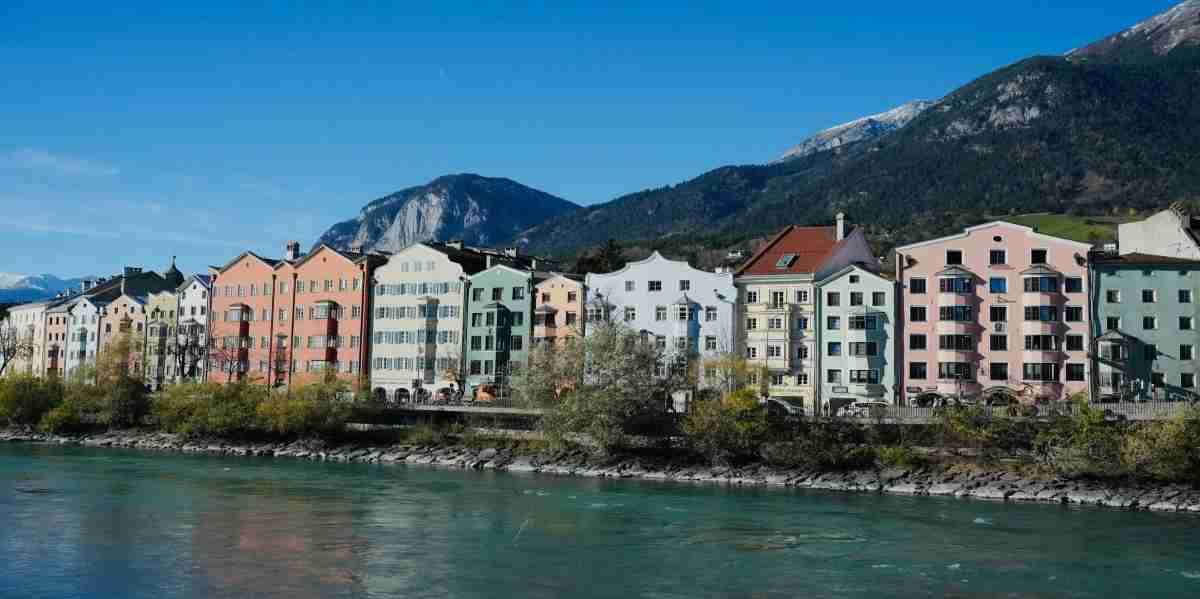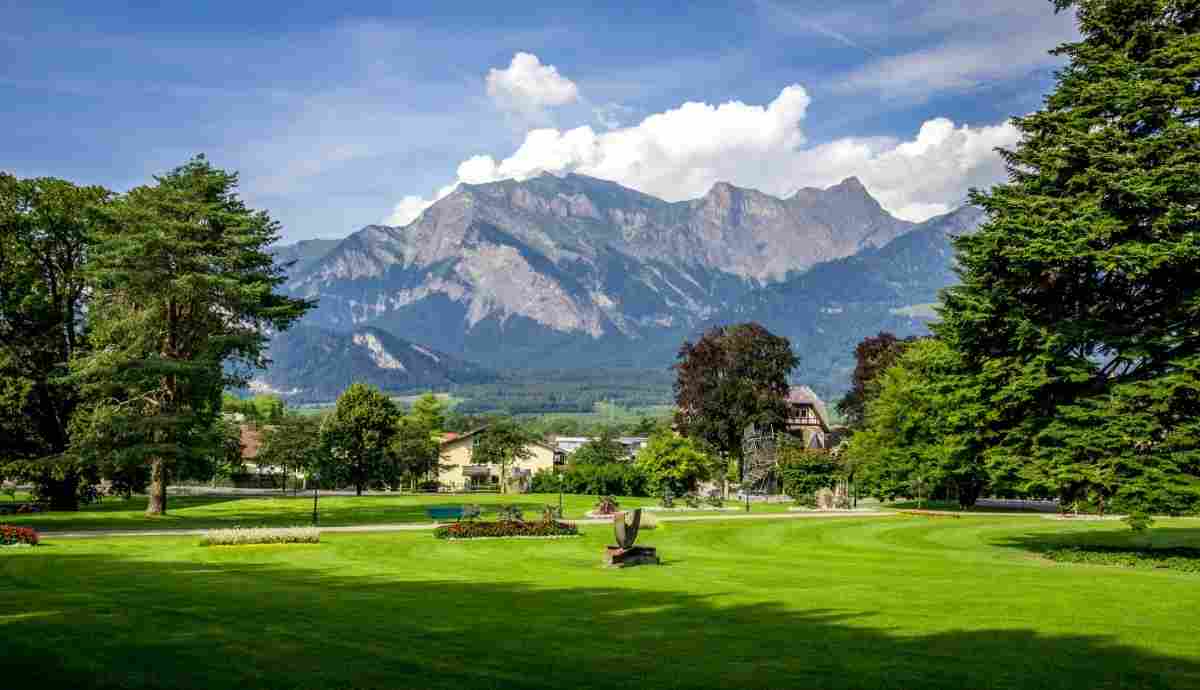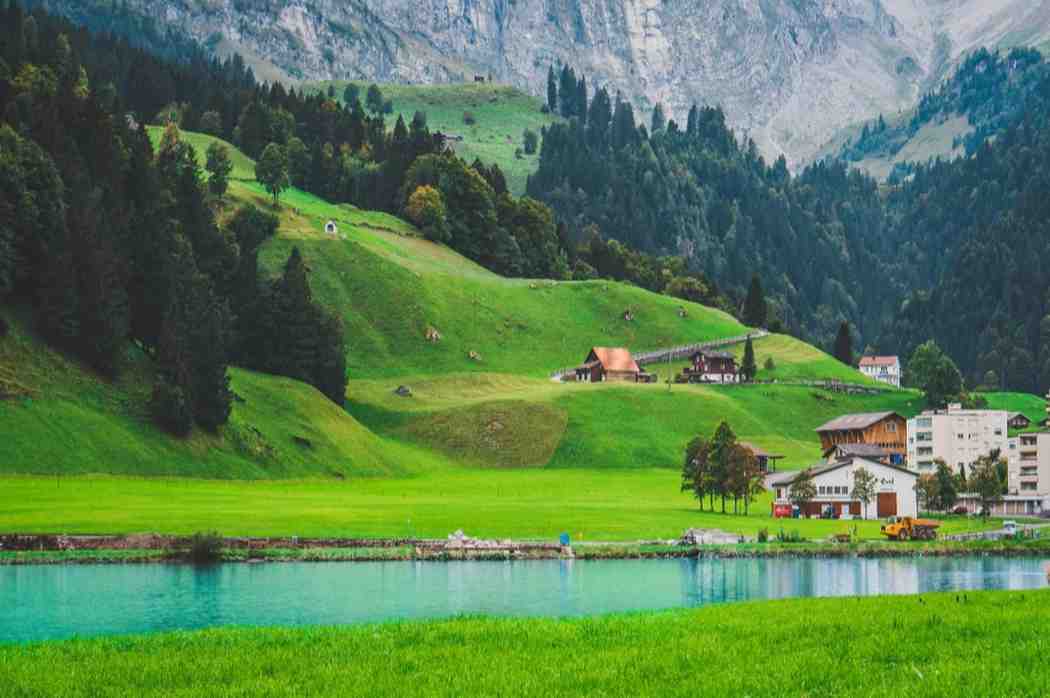
Austria is a country that feels like a living postcard. Whether you are wandering through the imperial corridors of a palace or standing atop a jagged Alpine peak, there is a sense of timelessness here that few other places can replicate. From the coffee house culture of the capital to the crystal-clear lakes of the Salzkammergut, finding the Tourist Attractions in Austria is less about searching and more about choosing between endless perfections.
In this guide, we’ll map out the essential Tourist Attraction in Austria, ensuring your itinerary is packed with history, adventure, and those “pinch-me” moments.
The Imperial Heart: Tourist Attraction in Austria Vienna
Vienna is often the starting point for any Austrian adventure, and for good reason. It is a city where the air feels thick with the legacy of Mozart, Beethoven, and the Habsburgs. When looking for Tourist Attractions in Austria Vienna, the sheer scale of the architecture is breathtaking.
Schönbrunn Palace: This was the summer residence of the Habsburgs. With over 1,400 rooms and sprawling gardens, it’s a UNESCO World Heritage site that demands at least half a day.
St. Stephen’s Cathedral: The multi-colored tile roof of “Steffl” is the city’s North Star. Climb the South Tower for a view that puts the entire city layout into perspective.
The Hofburg: The official seat of the President and the former winter palace, it houses the Sisi Museum and the Spanish Riding School.
Beyond the Capital: Tourist Attraction in Austria Near Vienna
If you have a few extra days, some of the most charming Tourist Attraction in Austria are just a short train ride away.
The Wachau Valley
Just an hour west of Vienna, the Wachau Valley is a stunning stretch of the Danube River. It is famous for its apricots, vineyards, and the blue-towered Dürnstein Abbey. A boat cruise here is one of the most relaxing ways to see the Austrian countryside.
Bratislava, Slovakia
It might sound strange to visit another country as a day trip, but Bratislava is only 60 minutes away. It offers a grittier, more medieval contrast to Vienna’s polished Baroque streets.
The Alpine Wonders: Salzburg and Hallstatt
Moving west, the landscape shifts from rolling hills to dramatic, snow-capped peaks. These are arguably the most iconic Tourist Attraction in Austria.
Salzburg: The Stage of the World
Salzburg is synonymous with two things: The Sound of Music and Wolfgang Amadeus Mozart. Walking through the Mirabell Gardens or climbing to the Hohensalzburg Fortress gives you a panoramic view of the “Rome of the North.”
Hallstatt: The Fairytale Village
No list of the Tourist Attraction in Austria in hallstatt is complete without Hallstatt. Perched on a narrow strip of land between the mountains and the Hallstätter See, it is widely considered one of the most beautiful villages in the world. Be sure to visit the salt mine—the oldest in the world—via the funicular for a bit of history with your scenery.
Essential Travel Tips for Austria
Traveling through Austria is remarkably easy thanks to the ÖBB (Austrian Federal Railways). For those planning a road trip, the Grossglockner High Alpine Road offers 48 kilometers of hairpin turns and mountain vistas that are second to none in Europe.
Currency: Euro (€)
Language: German (English is widely spoken in tourist areas)
Best Time to Visit: June to August for hiking; December for the legendary Christmas Markets.
FAQ: Your Quick Austria Travel Guide
What are the Tourist Attraction in Austria for first-timers? Most first-time visitors focus on the “Golden Triangle”: Vienna, Salzburg, and Hallstatt. These provide a perfect mix of imperial city life and Alpine beauty.
What are the top tourist destinations in Austria for winter sports? Innsbruck and Kitzbühel are the world capitals of skiing. They offer world-class slopes and a vibrant “après-ski” culture.
Are there many Tourist Attraction in AustriaVienna for art lovers? Absolutely. The Belvedere Museum (home to Klimt’s The Kiss) and the Kunsthistorisches Museum (Museum of Art History) are world-leading institutions.
What are the easiest Tourist Attraction in Austria Vienna by train? The Wachau Valley (Melk or Krems), Bratislava, and the Vienna Woods (Wienerwald) are all accessible within an hour by rail.
Is Austria expensive for tourists? While more expensive than Eastern Europe, it is comparable to Germany. Using public transport and visiting free parks can help manage your budget.
When is the best time to see the Alps? For hiking, visit between late June and September. For snow, January and February offer the most reliable conditions.
Can I visit Hallstatt as a day trip from Vienna? It is possible but involves a long day (3–4 hours each way). It is better to visit from Salzburg, which is only an hour and a half away.
What food should I try in Vienna? Do not leave without trying a Wiener Schnitzel (breaded veal) and a slice of Sachertorte (chocolate cake) at a traditional coffee house.
Do I need a car to explore Austria? Not necessarily. The train system is exceptional. However, a car is useful if you want to explore remote mountain villages in the Tyrol region.
What are the best places to visit near Vienna for nature lovers? Laxenburg Park and the Seegrotte (Europe’s largest underground lake) are fantastic natural escapes just outside the city limits.
Best Travel Tote in 2026 – The Ultimate Travel Companion
When it comes to modern travel, choosing the tote can completely change how comfortable, organized, and stress-free your journey feels. In 2026, travelers prefer that are stylish, spacious, airline-friendly, and versatile enough for airports, city walks, and even short trips.
Whether you are a frequent flyer, digital nomad, weekend explorer, or luxury traveler, a travel tote is no longer optional—it’s essential.
In this detailed guide, we’ll explore why the travel tote matters, how to choose one, trending designs in 2026, and expert tips to help you buy the perfect travel tote bag.
✈️ Why Choosing the Travel Tote Is Important
A travel tote is more than just a bag. It’s your personal travel organizer, style statement, and comfort companion.
Key Benefits of the Travel Tote
Easy access to essentials
Fits under airplane seats
Lightweight yet durable
Stylish for travel & daily use
Perfect for short trips and long journeys
Unlike backpacks or suitcases, a travel tote bag offers quick accessibility while maintaining a classy look—ideal for airports, cafes, sightseeing, and business travel.
🧳 Features That Define the Travel Tote
When selecting the travel tote, look for these must-have features:
✔️ Spacious Interior
A high-quality travel tote should hold:
Passport & documents
Tablet or laptop
Water bottle
Small crossbody purse
Travel accessories
✔️ Lightweight Design
The best travel totelightweight prevents shoulder strain, especially during long airport walks.
✔️ Strong & Durable Material
Popular materials for the travel tote bag include:
Nylon
Canvas
Vegan leather
Waterproof polyester
✔️ Multiple Compartments
Organized travelers prefer a travel tote with compartments to separate electronics, clothes, and toiletries.
🌍 Types of Best Travel Tote Bags in 2026
1️⃣ Travel Tote for Flights
Airline-friendly totes that fit under seats and offer easy access during flights.
Best travel tote for airplane
best carry-on travel tote bag
travel tote under seat airline approved
2️⃣ Best Travel Tote for Women
Stylish yet functional designs that balance fashion and utility.
stylish travel tote for women
lightweight women’s travel tote
luxury travel tote bag
3️⃣ Best Travel Tote for Men
Minimal, rugged, and professional designs.
best men’s travel tote
durable travel tote for men
minimalist travel tote bag
4️⃣ Best Waterproof Travel Tote
Ideal for beach trips, rainy destinations, and adventure travel.
waterproof travel tote bag
best beach travel tote
travel tote for rainy weather
🛍️ How the Travel Tote Improves Your Travel Experience
A well-chosen travel tote allows you to move freely without worrying about clutter or discomfort.
✨ Real Travel Advantages
Faster airport security checks
Easy access to documents
Keeps electronics protected
Reduces need for extra bags
Travelers who use the travel tote bag often pair it with compression packing cubes and small organizers for maximum efficiency.
Travel tote for long trips
Travel tote bag with laptop sleeve
affordable travel tote 2026
premium travel tote for frequent travelers
large capacity travel tote bag
eco-friendly travel tote
🛒 How to Choose the Travel Tote (Buying Guide)
✔️ Trip Length
Short trips → medium-size travel tote
Long trips → large travel tote with compartments
✔️ Travel Style
Luxury → leather or premium nylon tote
Adventure → waterproof or rugged tote
✔️ Comfort
Look for padded handles and adjustable straps in the travel tote bag.
A thoughtfully packed travel tote can replace multiple small bags.
✅ Final Thoughts: Is the Travel Tote Worth It?
Absolutely. In 2026, travelers prioritize convenience, flexibility, and style—and the travel tote delivers all three.
Whether you’re heading to airports, exploring cities, or planning weekend escapes, investing in a travel tote bag ensures smoother, smarter, and more enjoyable travel.
1️⃣ What makes the Travel Tote different from a regular tote bag?
The Best Travel Tote is specifically designed for travel needs. Unlike a regular tote bag, it usually includes multiple compartments, a laptop sleeve, zip closures, trolley sleeves for suitcase handles, and durable materials. A regular tote may look stylish, but the Travel Tote offers better organization, security, and airline-friendly dimensions. It is built to handle airports, long trips, and daily sightseeing comfortably.
2️⃣ Is a Travel Tote allowed as a carry-on bag?
Yes, most Travel Tote bags are designed to fit under airline seats, making them perfect personal items. However, size limits vary by airline. Always check airline baggage policies before flying. A compact and airline-approved Travel Tote is ideal for storing essentials like passports, electronics, snacks, and travel documents during flights.
3️⃣ What size should I choose for the Travel Tote?
The ideal size depends on your travel style. For short trips or weekend getaways, a medium-sized works well. For business travel or long-haul flights, choose a larger tote with compartments and a laptop sleeve. Make sure it’s spacious but not too bulky to carry comfortably on your shoulder.
4️⃣ Are waterproof materials important in a Travel Tote?
Yes, waterproof or water-resistant materials are highly recommended. A Travel Tote made of nylon, polyester, or treated canvas protects your belongings from rain, spills, and accidental splashes. If you travel frequently or visit beach destinations, a waterproof Travel Tote is a smart investment.
5️⃣ Can the Best Travel Tote replace a backpack?
In many cases, yes. The Travel Tote offers easy access and stylish appeal compared to a backpack. It works especially well for city travel, airport use, and business trips. However, for hiking or heavy loads, a backpack may provide better weight distribution. Many travelers prefer using a Travel Tote alongside a suitcase for organized travel.
6️⃣ What features should I look for in the Travel Tote?
When buying the Travel Tote, look for: Strong zippers Padded laptop compartment Lightweight design Multiple inner pockets Trolley sleeve Adjustable shoulder straps These features improve convenience and durability, making your travel smoother and stress-free.
7️⃣ Is the Travel Tote suitable for international travel?
Absolutely. The Travel Tote is perfect for international trips because it keeps important items easily accessible. Documents, travel adapters, phones, and snacks can all be stored in organized compartments. A secure zippered Travel Tote adds extra safety while navigating airports or crowded tourist areas.
Delhi, the heart of India, is a perfect blend of ancient history, vibrant culture, and modern attractions. From centuries-old monuments to bustling markets and serene gardens, Delhi tourism offers something for every traveler. Whether you are a history lover, foodie, or photographer, these best tourist attractions in Delhi deserve a spot on your travel list.
In this guide, we explore the top 19 tourist places in Delhi, including famous landmarks, cultural hubs, and popular vacation spots that define the charm of the capital city.
Why Delhi Is a Top Travel Destination in India
Delhi is one of the most visited cities in India due to its rich heritage, street food culture, and diverse experiences. Travelers can enjoy Delhi sightseeing places, explore UNESCO World Heritage Sites, and discover exciting things to do in New Delhi — all in one trip.
If you’re planning your journey, don’t forget to explore detailed Delhi travel guides on MyExplorely.com for smart itineraries and travel tips.
Top 19 Tourist Attractions in Delhi
1. Red Fort
The Red Fort is one of the most iconic Delhi tourist Places and a UNESCO World Heritage Site. Built by Mughal emperor Shah Jahan, it showcases grand architecture and historical significance. Red Fort, also known as Lal Qila, is one of the most iconic tourist places in Delhi and a must-visit historical monument in India. Located in the heart of Old Delhi, the Red Fort stands as a powerful symbol of India’s rich Mughal heritage. Built in 1648 by Mughal Emperor Shah Jahan, this magnificent fort is made of red sandstone and showcases stunning Mughal architecture.
The Red Fort is among the best tourist attractions in Delhi and attracts millions of visitors every year. Inside the fort, tourists can explore beautiful structures like Diwan-i-Aam, Diwan-i-Khas, Rang Mahal, and the peaceful Mughal gardens. The fort also hosts a popular sound and light show in the evening, which narrates the history of Delhi and the Mughal era.
Recognized as a UNESCO World Heritage Site, the Red Fort holds great national importance. Every year on Independence Day, the Prime Minister of India hoists the national flag here, making it an important Delhi tourist attraction.
If you are planning Delhi sightseeing, visiting the Red Fort should definitely be on your list of places to visit in Delhi for history, culture, and unforgettable experiences.
2. Qutub Minar
Standing tall at 73 meters, Qutub Minar is among the best tourist spots in Delhi for history and photography lovers. Qutub Minar is one of the most famous tourist places in Delhi and a shining example of Indo-Islamic architecture. Located in Mehrauli, South Delhi, Qutub Minar is the tallest brick minaret in the world, standing at a height of 73 meters. It was started by Qutb-ud-din Aibak in 1193 and later completed by Iltutmish.
This historic monument is among the best tourist attractions in Delhi and attracts history lovers, photographers, and travelers from around the world. The minaret is built with red sandstone and marble and is decorated with beautiful carvings and Quranic inscriptions. The surrounding Qutub Complex, including the Iron Pillar, Alai Darwaza, and ancient mosques, adds more charm to this Delhi tourist attraction.
Qutub Minar is also a UNESCO World Heritage Site, making it an important landmark of Delhi tourism. The lush green gardens around the monument make it a peaceful spot for visitors.
If you are exploring places to visit in Delhi or planning Delhi sightseeing, Qutub Minar is definitely one of the best tourist spots in Delhi that you should not miss.
3. India Gate
India Gate is a symbol of national pride and one of the most visited Delhi sightseeing places, especially in the evening.
4. Lotus Temple
Known for its peaceful ambiance, the Lotus Temple is a best place in Delhi for spiritual seekers and architecture admirers.
5. Humayun’s Tomb
This stunning Mughal monument inspired the Taj Mahal and remains a top tourist place in Delhi. Humayun’s Tomb is one of the most beautiful tourist places in Delhi and a masterpiece of Mughal architecture. Located near Nizamuddin East, this historic monument was built in 1570 by Empress Bega Begum, the wife of Mughal Emperor Humayun. It is considered the first grand garden tomb in India and inspired famous structures like the Taj Mahal.
Humayun’s Tomb is among the best tourist attractions in Delhi and is admired for its red sandstone structure, white marble dome, and perfectly symmetrical Mughal gardens. The Charbagh-style garden layout adds to the peaceful atmosphere, making it a popular Delhi tourist attraction for history lovers and photographers.
Declared a UNESCO World Heritage Site, Humayun’s Tomb plays an important role in Delhi tourism. The monument reflects the rich cultural heritage of the Mughal era and offers visitors a glimpse into India’s glorious past.
If you are planning Delhi sightseeing, Humayun’s Tomb is one of the most recommended places to visit in Delhi. Its architectural beauty and historical significance make it a must-visit tourist place in Delhi for travelers from around the world.
6. Jama Masjid
One of the largest mosques in India, Jama Masjid is a must-visit Delhi tourist attraction located in Old Delhi. Jama Masjid is one of the largest and most famous mosques in India and a major tourist place in Delhi. Located in Old Delhi, near Chandni Chowk, Jama Masjid was built in 1656 by Mughal Emperor Shah Jahan. This grand mosque is an important religious site as well as a popular Delhi tourist attraction.
Made of red sandstone and white marble, Jama Masjid reflects stunning Mughal architecture. The mosque has three large domes, two tall minarets, and a vast courtyard that can accommodate more than 25,000 worshippers. Because of its beauty and history, Jama Masjid is counted among the best tourist attractions in Delhi.
Visitors can climb the southern minaret to enjoy a panoramic view of Old Delhi, making it a favorite spot for photography during Delhi sightseeing. Jama Masjid also offers a peaceful spiritual atmosphere, especially during prayer times and festivals.
If you are exploring places to visit in Delhi, Jama Masjid should be on your list. Its historical importance, architectural elegance, and cultural value make it one of the best tourist spots in Delhi and a must-visit destination for travelers.
7. Chandni Chowk
Chandni Chowk is famous for street food, shopping, and heritage walks — one of the most exciting things to do in Delhi.
8. Akshardham Temple
This architectural masterpiece represents Indian culture and spirituality, making it a popular Delhi tourism landmark.
9. Raj Ghat
Raj Ghat, the memorial of Mahatma Gandhi, is a peaceful tourist place in Delhi for reflection and history. Raj Ghat is a serene and historically significant tourist place in Delhi dedicated to the memory of Mahatma Gandhi, the Father of the Nation. Located on the banks of the Yamuna River, it marks the spot where Gandhi was cremated in 1948. This tranquil monument is an important part of Delhi tourism and attracts visitors who want to pay their respects to the iconic leader.
Raj Ghat is among the best tourist attractions in Delhi for those interested in India’s history and freedom struggle. The black marble platform, surrounded by lush gardens, symbolizes peace and simplicity, reflecting Gandhi’s philosophy. Visitors can also see memorials of other notable leaders nearby, making it a part of a larger historical circuit in Delhi.
The calm environment at Raj Ghat makes it one of the top places to visit in Delhi for reflection and learning about India’s past. Many tourists combine it with Delhi sightseeing trips to nearby monuments like India Gate, Red Fort, and Humayun’s Tomb.
If you are looking for a mix of history, culture, and peaceful surroundings, Raj Ghat is a must-visit tourist spot in Delhi that offers both educational and spiritual experiences.
10. Lodhi Garden
Lodhi Garden is a serene green escape and a favorite Delhi sightseeing place for morning walks and photography. Lodhi Garden is a peaceful and scenic tourist place in Delhi, perfect for nature lovers and history enthusiasts. Located in central Delhi, it features beautifully landscaped gardens, walking paths, and historical monuments from the Lodhi era, including tombs of Sikandar Lodi and Muhammad Shah. It is one of the best tourist attractions in Delhi for morning walks, photography, and relaxation. The lush greenery and serene environment make it a favorite Delhi tourist attraction for both locals and travelers. If you are planning Delhi sightseeing, Lodhi Garden is one of the top places to visit in Delhi for calm and beauty.
11. Rashtrapati Bhavan
The official residence of the President of India is among the grandest Delhi tourist attractions. Rashtrapati Bhavan is one of the most iconic tourist places in Delhi and serves as the official residence of the President of India. Located at the western end of Rajpath, it is an architectural marvel that blends classical Western and Mughal styles, making it a significant Delhi tourist attraction.
Built during the British era by architect Edwin Lutyens, Rashtrapati Bhavan spans over 330 acres and includes beautiful gardens, the grand Durbar Hall, and the impressive Mughal Gardens. The Mughal Gardens, open to the public during the spring season, are among the best tourist attractions in Delhi, showcasing a vibrant array of flowers, fountains, and fountainside paths.
12. Connaught Place
Connaught Place is one of the most popular vacation spots in the city for shopping, dining, and nightlife. Connaught Place, often called CP, is one of the busiest and most popular tourist places in Delhi. Located in the heart of New Delhi, it is a commercial, cultural, and social hub, attracting both locals and travelers. Known for its iconic circular design, Connaught Place is home to hundreds of shops, restaurants, cafes, and offices, making it one of the best tourist attractions in Delhi.
Visitors can enjoy shopping for branded items, handicrafts, and souvenirs, or relax at its vibrant cafes. The area also hosts cultural events, art exhibitions, and live performances, adding to its appeal as a Delhi tourist attraction. For those interested in history, the nearby Jantar Mantar and India Gate are easy to visit during Delhi sightseeing tours.
If you are exploring places to visit in Delhi, Connaught Place is a must-visit tourist spot in Delhi, offering a mix of shopping, dining, and urban excitement in the city’s heart.
13. Hauz Khas Village
A blend of medieval ruins and modern cafés, Hauz Khas Village offers unique things to do in New Delhi.
14. National Museum
The National Museum houses rare artifacts and is one of the most educational tourist places in Delhi.
15. Purana Qila
Purana Qila is an ancient fort and a hidden gem among Delhi sightseeing places.
16. Agrasen ki Baoli
This historic stepwell is a photographer’s favorite and a unique best tourist spot in Delhi.
17. Dilli Haat
Dilli Haat showcases Indian handicrafts and food, making it a cultural Delhi tourist attraction.
18. Garden of Five Senses
A beautifully designed park offering relaxing things to do in Delhi for couples and families.
19. Mehrauli Archaeological Park
This vast park is among the underrated tourist places in Delhi, ideal for history lovers.
Things to Do in Delhi & New Delhi
Apart from sightseeing, travelers can enjoy many exciting things to do in New Delhi, such as:
Street food tours in Old Delhi
Shopping at Sarojini Nagar & Janpath
Heritage walks and museum visits
Exploring tourist places near Delhi like Agra and Jaipur
For verified reviews and traveler experiences, you can also explore Delhi attractions on Tripadvisor: 👉 https://www.tripadvisor.in/
Why Delhi Tourism Is Perfect for Every Traveler
From historical monuments to modern cafes, Delhi tourism caters to solo travelers, families, and couples alike. The city’s excellent connectivity makes it easy to explore every tourist place in Delhi efficiently.
FAQs – Tourist Places in Delhi
Q1. What are the best tourist attractions in Delhi? Red Fort, Qutub Minar, India Gate, Lotus Temple, and Humayun’s Tomb are among the best tourist attractions in Delhi.
Q2. What are the best things to do in Delhi? Exploring heritage sites, enjoying street food, shopping, and cultural walks are top things to do in Delhi.
Q3. Which is the best tourist spot in Delhi for families? India Gate, Akshardham Temple, and the National Museum are ideal family-friendly Delhi tourist attractions.
Q4. Are there tourist places near Delhi worth visiting? Yes, Agra, Jaipur, and Mathura are popular tourist places near Delhi.
Q5. Is Delhi good for sightseeing? Absolutely. With historical and modern attractions, Delhi offers countless Delhi sightseeing places.
Finding the best places to visit in Spain can be overwhelming for a first-time traveler. This Mediterranean gem offers everything from snow-capped peaks to sun-drenched islands. In 2026, the demand for authentic Spanish experiences is higher than ever. To ensure your trip is nothing short of legendary, we have curated this guide.
Whether you are seeking Gothic cathedrals or modern art, the best places to visit in Spain are those that challenge your senses. From the bustling streets of Madrid to the quiet coves of the Costa Brava, every corner tells a story. Let’s dive into the ultimate list of the best places to visit in Spain.
1. Barcelona: Gaudí’s Dreamland
Barcelona is arguably at the top of the best places to visit in Spain lists globally. The city is a masterpiece of Catalan Modernism. Walking through the Eixample district, you realize why this is one of the best places to visit in Spain for architecture lovers.
The Sagrada Família remains the crown jewel. Even in 2026, its evolution makes it one of the best places to visit in Spain for repeat travelers. Don’t forget to visit Park Güell, where mosaic lizards offer the perfect photo op. For a deeper look at planning your Mediterranean route, visit Myexplorely.com.
Title: Iconic Barcelona Landmarks; Alt Text: Sagrada Familia in Barcelona one of the best places to visit in Spain
2. Madrid: The Golden Heart
As the capital, Madrid is one of the best places to visit in Spain to understand the nation’s power. It isn’t just a political hub; it’s an artistic powerhouse. The Prado Museum is essential, making Madrid one of the best places to visit in Spain for art historians.
Madrid: The Golden Heart
As the nation’s vibrant capital, Madrid stands as the golden heart and a definitive best place to visit in Spain. The city radiates energy, from the regal grandeur of the Royal Palace to the “Golden Triangle of Art,” featuring the world-renowned Prado Museum. Its bustling plazas, like the Puerta del Sol, serve as the literal center of the country.
Visitors flock here because it is the best place to visit in Spain for a seamless blend of high-end shopping on Gran Vía and traditional tavern hopping in La Latina. Whether you are relaxing in the sprawling Retiro Park or enjoying a late-night chocolate con churros, Madrid’s infectious social rhythm makes it a top-tier best place to visit in Spain.
The energy of Gran Vía at night proves why it’s among the best places in Spain for nightlife. Stroll through Retiro Park for a moment of peace. Many travelers agree that the culinary scene here makes it one of the best places to visit in Spain.
3. Seville: The Spirit of Andalusia
Seville is where the “magical” happens. It is one of the best places to visit in Spain. If you want to see authentic Flamenco. The Real Alcázar gardens are so beautiful they make Seville one of the best places to visit in Spain for couples.
Seville is often described as the soulful heart of the country, making it an essential. Best place to visit in Spain for anyone seeking an authentic cultural experience. As the capital of Andalusia, it is a city where the scent of orange blossoms fills the air and the rhythmic clicking of flamenco heels echoes through the narrow streets of the Triana district. This vibrant energy and deep-rooted tradition are why travelers consistently rank Seville as a best place to visit in Spain.
The city’s architectural landscape is a stunning tapestry of its complex history. The Seville Cathedral, the largest Gothic cathedral in the world, stands alongside the Giralda tower—a former minaret that highlights the city’s Moorish past. Nearby, the Royal Alcázar offers a breathtaking example of Mudéjar architecture, with its intricate tilework and lush, sprawling gardens. These UNESCO World Heritage sites confirm Seville’s status as a best place to visit in Spain for history and art lovers.
Beyond the monuments, Seville is a culinary paradise. It is widely regarded as one of the best places to visit in Spain to enjoy the tradition of “tapas crawling” in the historic Santa Cruz quarter. Whether you are witnessing the passion of a live flamenco show or marveling at the futuristic Setas de Sevilla, the city provides an unforgettable immersion into the Spanish way of life. For those who want to feel the true spirit of the south, Seville is undeniably a best place to visit in Spain.
The massive Seville Cathedral is a record-breaker. Its sheer scale confirms why Andalusia holds the best places to visit in Spain. For more southern travel tips, check out our guides at Myexplorely.com.
4. Granada: The Moorish Legacy
Granada is home to the Alhambra, making it one of the most historical best places to visit in Spain. The red fortress overlooking the city is a sight you will never forget. It is truly one of the best places to visit in Spain for a fairy-tale vibe.
The Albaicín neighborhood’s white-washed walls are legendary. For those on a budget, Granada is one of the best places to visit in Spain because of its free tapas culture. Valencia perfectly encapsulates the duality of modern Iberia, making it a contender for the single best place to visit in Spain. On one side, you have the historic Ciutat Vella, where the Valencia Cathedral allegedly houses the Holy Grail. On the other, the skyline is dominated by the City of Arts and Sciences, a futuristic, neo-futuristic complex designed by Santiago Calatrava that looks like something out of a sci-fi epic. This striking contrast is exactly why travelers rank it as a best place to visit in Spain.
The city’s layout encourages exploration, especially the Turia Gardens—a lush, 9-kilometer urban park reclaimed from a diverted riverbed. For foodies, Valencia is an essential best place to visit in Spain because it is the birthplace of paella. Tasting an authentic Paella Valenciana at a beachfront restaurant in Las Arenas is a rite of passage.
In 2026, Valencia continues to lead in sustainable tourism, blending its maritime heritage with green urban living. Whether you are navigating the bustling stalls of the Central Market or attending the fiery Fallas festival, the city offers a vibrant energy. From its Mediterranean beaches to its cutting-edge architecture, Valencia remains a best place to visit in Spain for those who want to see the future without losing sight of the past.
5. Valencia: The City of Future and Past
Don’t forget the Central Market. For foodies, it is one of the best places in Spain to try authentic Paella Valenciana. Check the latest travel updates on Spain.info before you go. Valencia perfectly encapsulates the duality of modern Iberia, making it a contender for the single best place to visit in Spain. On one side, you have the historic Ciutat Vella, where the Valencia Cathedral allegedly houses the Holy Grail. On the other, the skyline is dominated by the City of Arts and Sciences, a futuristic, neo-futuristic complex designed by Santiago Calatrava that looks like something out of a sci-fi epic. This striking contrast is exactly why travelers rank it as a best place to visit in Spain.
The city’s layout encourages exploration, especially the Turia Gardens—a lush, 9-kilometer urban park reclaimed from a diverted riverbed. For foodies, Valencia is an essential best place to visit in Spain because it is the birthplace of paella. Tasting an authentic Paella Valenciana at a beachfront restaurant in Las Arenas is a rite of passage.
In 2026, Valencia continues to lead in sustainable tourism, blending its maritime heritage with green urban living. Whether you are navigating the bustling stalls of the Central Market or attending the fiery Fallas festival, the city offers a vibrant energy. From its Mediterranean beaches to its cutting-edge architecture, Valencia remains a best place to visit in Spain for those who want to see the future without losing sight of the past.
6. San Sebastián: The Pintxo Paradise
San Sebastián is one of the best places to visit in Spain for luxury and fine dining. Located in the Basque Country, it offers a different cultural flavor. La Concha Beach is widely considered one of the best places to visit in Spain in Spain for coastal views.
The “Old Town” is a maze of flavor. If you love seafood, this is one of the best places to visit in Spain. The combination of mountains and sea makes it one of the best places in Spain for nature lovers.
7. Toledo: The Medieval Fortress
A short trip from Madrid takes you to Toledo. It is one of the best places to visit in Spain to see how three cultures lived in harmony. The sword-making tradition here makes it one of the best places to visit in Spain for unique souvenirs.
Toledo’s skyline is iconic. It remains one of the best places to visit in Spain for those who love medieval history. Often referred to as the “City of the Three Cultures,” Toledo is arguably the most atmospheric best place to visit in Spain. Perched dramatically on a granite hilltop and encircled by the Tagus River, this medieval fortress city served as the Spanish capital until the 16th century. Its winding, labyrinthine alleys and towering stone walls make it feel like a living museum, preserving a time when Christians, Muslims, and Jews lived in a rare state of coexistence.
The skyline is dominated by the Alcázar of Toledo, a massive stone fortification that exemplifies why this city remains one of the best places to visit in Spain for history enthusiasts. Just a short walk away stands the Primatial Cathedral of Saint Mary, a masterpiece of Gothic architecture. Inside, visitors can find works by El Greco, the famous Renaissance painter who spent much of his life in Toledo, capturing its mystical energy on canvas.
Beyond the major sights, the true charm of this best place to visit in Spain lies in its craftsmanship. Toledo is world-renowned for its “Damascene” metalwork and high-quality steel swords. Whether you are exploring the ancient San Martin Bridge or sampling the city’s famous marzipan, Toledo offers a dense, immersive historical experience that is unrivaled. As a day trip from Madrid or a standalone destination, it easily secures its spot as a best place to visit in Spain.
Planning Your Trip to the Best Places to Visit in Spain
When choosing the best places to visit in Spain, consider the high-speed AVE train. It connects all the best places in Spain with ease. In 2026, rail travel is the most sustainable way to see the best places in Spain. Successfully visiting the best places to visit in Spain requires more than just a plane ticket; it requires a strategic itinerary. In 2026, Spain is a top global destination, especially with the anticipated completion of the Sagrada Familia and a total solar eclipse in August. To make the most of your journey, start by choosing a primary region—like Andalusia for history or the Basque Country for food—and use high-speed AVE trains to connect between major hubs.
When considering the best places to visit in Spain, timing is everything. Spring (April–May) and early autumn (September–October) offer the perfect balance of mild weather and thinner crowds. If you are visiting during the summer peak, focus on coastal “hidden gems” like the Costa Brava to escape the intense heat of Madrid or Seville.
Logistics play a vital role in reaching the best places to visit in Spain efficiently. Booking your entrance tickets for major attractions like the Alhambra months in advance is essential. Additionally, consider staying in smaller, well-connected towns just outside major cities to enjoy a more authentic, budget-friendly experience. By blending iconic landmarks with local detours, you ensure your trip covers all the best places to visit in Spain while maintaining a relaxed, Mediterranean pace.
Always remember that the best places to visit in Spain require advance booking. Sites like the Alhambra are popular, so plan ahead. For a complete packing list for the places in Spain, visit Myexplorely.com.
Why These are the Best Places to Visit in Spain
The variety in these 7 cities represents why they are the best places to visit in Spain. You get history, food, beaches, and art. Ranking the places in Spain is hard, but these seven never disappoint a first-timer. Spain remains a global titan of tourism in 2026, offering a rare blend of ancient history and cutting-edge modernity. If you are searching for the best places to visit in Spain, you will find that the country’s allure lies in its regional diversity. From the architectural whimsy of Catalonia to the sun-drenched plazas of Andalusia, every province offers a distinct cultural “soul.”
Iconic Landmarks and Architectural Wonders
One cannot discuss the best places to visit in Spain without mentioning Barcelona’s Sagrada Familia. As it nears its final stages of completion in 2026, it stands as a testament to Antoni Gaudí’s genius. Similarly, the Alhambra in Granada remains an essential stop on any Best Places to Visit in Spain itinerary, showcasing breathtaking Moorish craftsmanship against the backdrop of the Sierra Nevada.
Modern Energy and Coastal Escapes
In the heart of the country, the Royal Palace of Madrid and the Prado Museum offer a deep dive into European royalty and art. For those seeking the best places to visit in Spain for relaxation, the Balearic Islands—specifically Ibiza—provide world-class beaches and a legendary nightlife scene that has evolved to include luxury wellness retreats.
Culinary and Cultural Richness
Ultimately, the best places to visit in Spain are defined by their sensory experiences. Whether you are eating pintxos in San Sebastián or watching a sunset at Seville’s Plaza de España, the country’s commitment to “la buena vida” (the good life) makes it a top-tier destination. With new sustainable travel initiatives and high-speed rail expansions in 2026, exploring these best places to visit in Spain has never been easier or more rewarding.
Frequently Asked Questions (FAQ)
Q: What are the absolute best places to visit in Spain for a 10-day trip? A: For 10 days, the best places to visit in Spain are Madrid, Seville, and Barcelona. You can see the highlights without feeling rushed.
Q: Are the best places to visit in Spain safe for solo travelers? A: Yes, the best places to visit in Spain are generally very safe. However, always watch out for pickpockets in crowded areas like Barcelona.
Q: When is the best time to see the best places to visit in Spain? A: Spring and Fall are the best times to see the best places to visit in Spain. The weather is mild, perfect for walking tours.
Q: Is it expensive to see the best places to visit in Spain? A: The best places to visit in Spain can fit any budget. Madrid and Barcelona are pricier, while cities like Granada are very affordable.
Q: Can I see the best places to visit in Spain by train? A: Absolutely! The rail network connects all the best places to visit in Spain efficiently.
Looking beyond the usual places can lead to amazing experiences. Whether you’re a seasoned traveler or just starting, this guide will show you the best incredible hidden gems tourist places. These spots will make your travels even more special.
Key Takeaways
Discover unique destinations beyond the usual tourist spots
Explore local cultures and create unforgettable memories
Find the most incredible places to visit with our guide
Make your travels even more special with off-the-beaten-path experiences
Connect with local communities and enhance your travel experience
What Are Hidden Gems and Why Seek Them Out?
Hidden gems surprise and delight travelers. They are places not crowded by tourists. These spots keep their charm and authenticity. What Are Hidden Gems and Why Seek Them Out?
In the world of travel, “hidden gems” are those elusive, enchanting spots that exist just outside the spotlight of mainstream fame. While a famous place to visit might offer a stunning photo opportunity, a hidden gem offers a story. These are the locations that haven’t been over-saturated by foot traffic or social media trends, preserving an air of mystery and untouched beauty.
Authenticity Over Popularity
Seeking out hidden gems places allows you to experience a culture in its most authentic form. When you step away from the crowded centers, the atmosphere changes. You find yourself in neighborhoods where life moves at a natural pace, rather than one dictated by tour bus schedules. In these quiet corners, the food tastes more traditional, the interactions feel more genuine, and the sense of discovery is palpable.
Escape the Crowds
The most popular places often come with long queues, high prices, and “photo-op” fatigue. By prioritizing the unknown, you regain your sense of freedom. Instead of fighting for a view, you might find yourself alone on a breathtaking cliffside or in a centuries-old library. This solitude transforms a simple sightseeing trip into a deeply personal journey of exploration.
Sustainable Exploration
Choosing a lesser-known place to visit also contributes to more sustainable travel. It helps redistribute tourism revenue to smaller communities and reduces the environmental strain on over-visited landmarks. When you venture off the beaten path, you aren’t just a visitor; you become a patron of local traditions and small-scale wonders.
Ultimately, seeking out hidden gems places is about quality over quantity. It’s about finding the magic in the “unmarked” spots and returning home with memories that belong solely to you.
Defining True Hidden Gems
True hidden gems are undiscovered or lesser-known places. They offer unique experiences. You can find them in secluded spots or quaint villages.
Exploring off the beaten path has many benefits. You can:
Discover unique cultural practices and traditions
Enjoy serene and less crowded environments
Engage more deeply with local communities
Create memorable experiences
By exploring these places, you make your travel better. You also help the local economy and support sustainable tourism.
Researching Hidden Gems Tourist Places Before Your Trip
To have the best trip, start by finding hidden gems places. Research is key for a memorable trip.Want to escape the crowds? Finding “hidden gems” requires looking beyond the first page of search results. Dive into local blogs and community forums like Reddit for authentic recommendations that guidebooks often miss. Use tools like Atlas Obscura or scroll through Google Maps to find quirky landmarks. Researching ahead ensures you discover secret waterfalls and quiet cafes, making your next trip truly unique and unforgettable.
Digital Resources for Discovering Local Secrets
The internet is full of info on places to visit. Use travel blogs, forums, and websites for off-the-beaten-path spots. These can show you local favorites and secret places. Don’t overlook Reddit or local lifestyle blogs; searching “[City Name] + hidden gems” often reveals community-verified favorites. By using these digital tools, you can trade crowded plazas for quiet, meaningful experiences that define the true heart of a destination. Modern exploration is powered by pixels. To find authentic spots that bypass the tourist brochures, leverage apps like Spotted by Locals, which features hand-picked tips from residents in over 80 cities. For the eccentric and unusual, Atlas Obscura remains the gold standard for finding hidden history and quirky landmarks.
Social Media: A Treasure Trove of Undiscovered Spots
Social media has evolved into a high-tech compass for the modern explorer. While many use these platforms to find the most famous place to visit, savvy travelers use them to dig deeper. By filtering through real-time content, you can bypass the “tourist traps” and find the authentic heart of a city.
Digital Scouting Strategies
To find hidden gems places, look beyond the trending page. Search for niche hashtags like #HiddenGems[CityName] or follow local photographers who capture their city’s quiet, unpolished corners. In 2026, features like “TikTok Nearby” and Instagram’s enhanced map search allow you to see what is happening in a neighborhood at this very moment. Check the “Recent” tab for specific location tags to see what a spot actually looks like today, rather than relying on polished marketing photos.
Beyond the Algorithm
The best secrets are often buried in the comments or saved in the “Guides” feature on platforms like Instagram and Threads. Engaging with local creators can lead you to a unique place to visit that hasn’t hit the mainstream radar yet. Many locals now share “day-in-the-life” vlogs that highlight the grocery stores, parks, and cafes they actually frequent.
By using social media as a research tool rather than just a highlight reel, you turn traditional places into a personalized map of discovery. Instead of following a viral checklist, use these platforms to listen to the city’s current rhythm, ensuring your journey is defined by authentic connection rather than curated hype.
Digital Scouting Strategies
To find hidden gems places, look beyond the trending page. Search for niche hashtags or follow local photographers who capture their city’s quiet, unpolished corners. Check the “Recent” tab for specific location tags to see what a spot actually looks like today, rather than relying on polished, years-old marketing photos.
Beyond the Algorithm
The best secrets are often buried in the comments or saved in the “Guides” feature on Instagram. Engaging with local creators can lead you to a unique place to visit that hasn’t hit the mainstream radar yet. By using social media as a research tool rather than just a highlight reel, you turn traditional places into a personalized map of discovery.
Reading Between the Lines in Travel Guides
Travel guides are useful, but read carefully. Look for mentions of secret spots or activities. This can lead to unique experiences that make your trip special. Standard travel guides are fantastic for foundations, but finding true hidden gems places requires a bit of detective work. To get the most out of your guidebook, you have to learn to read between the lines. Often, the most rewarding experiences aren’t the ones with the largest photos, but the ones mentioned as a brief footnote or a passing comment about a “local favorite.”
Deciphering the Code
When a guide describes a place to visit as “unassuming,” “residential,” or “off the beaten path,” it’s a signal that the area lacks heavy tourist infrastructure. This is exactly where the magic happens. These descriptions often mask the fact that the location isn’t set up for massive crowds, making it a perfect sanctuary for the intentional traveler.
The “Second Tier” Rule
Most travelers hit the top three recommendations for a neighborhood. To find authentic hidden gems tourist places, look for the fourth or fifth entry in a list. These spots are usually just as beautiful and culturally significant as the main places, but they see significantly less foot traffic. By choosing the “lesser” entry, you trade long queues for a more intimate and relaxed atmosphere.
Checking the Timelines
A guide published a year ago might list a “secret garden,” but in the digital age, that secret can vanish quickly. Cross-reference guidebook mentions with current forums to ensure your chosen place to visit hasn’t turned into one of the major places. If the guide mentions a spot is “hard to find,” it usually means it’s still preserved from the masses.
By treating your travel guide as a map of possibilities rather than a rigid itinerary, you identify the gaps where the crowds aren’t looking. Sometimes, the best advice a book gives you is where to start walking before you put the book away entirely.
Research Method
Benefits
Digital Resources
Access to travel blogs, forums, and specialized websites.
Social Media
Insights from local influencers and travelers.
Travel Guides
Hidden insights into local favorites and off-the-beaten-path destinations.
On-the-Ground Techniques for Uncovering Hidden Treasures
Now that you know where you’re going, it’s time to dive into the local culture. You’ll find hidden gems that make a place to visit special. The best experiences come from talking to locals and exploring the area.
Locals know all the best secrets. Talk to your server, taxi driver, or shopkeeper. Ask them about tourist places that not many know about. You’ll get lots of great tips. No matter how many apps you download or guidebooks you skim, the most sophisticated search engine on the planet is a local resident. Digital maps show you the streets, but locals show you the pulse. When you engage with the people who live in a destination, you gain access to hidden gems places that haven’t been “discovered” by the viral algorithms yet.
The Art of the Ask
To find a truly unique place to visit, you must change how you ask for advice. Avoid generic questions like “What is the best restaurant?” which usually results in a recommendation for a tourist-heavy spot. Instead, ask, “Where do you go to celebrate a birthday?” or “What is your favorite quiet spot on a Sunday morning?” These questions tap into personal emotions rather than commercial popularity.
Beyond the Main Square
Locals often steer clear of the primary places, meaning their favorite haunts offer a more authentic atmosphere and better value. Whether it’s a family-run bakery or a secret trailhead, these locations provide a narrative that you won’t find in a brochure. Exploring these areas supports the local economy directly and fosters genuine cultural exchange.
Building Connections
Don’t be afraid of language barriers; a smile and a few basic phrases go a long way. Hotel concierges, taxi drivers, and shopkeepers are wealths of knowledge, but so are the people sitting at the park bench or the person working at the local library. By treating every conversation as an opportunity, you turn your trip into a collaborative adventure.
Ultimately, the best place to visit is often the one that was shared with you over a coffee or a quick chat on a street corner. These human connections are what turn a simple holiday into a lifelong memory.
Venturing Beyond Tourist Zones Safely
Exploring less crowded areas can be exciting. But, it’s important to stay safe. Learn about the area, respect local customs, and keep your things safe. This way, you’ll have a great time.
Timing Your Visits for the Best Experience
When you visit can make a big difference. Going to popular spots early or late can avoid crowds. Also, knowing about local events and festivals can make your visit more fun and real.
Conclusion: Making Every Journey a Discovery
When you start your next adventure, remember the real fun is finding hidden gems tourist places. This guide will help you find unique experiences. These will make your trip unforgettable.
Looking for new things to do is important. Talk to locals and explore places not many visit. This way, you’ll find hidden gems tourist places and make memories that last. Conclusion: Making Every Journey a Discovery
The true essence of travel lies in the transition from being a spectator to becoming an explorer. While famous landmarks provide the framework for a trip, it is the unexpected encounters—the quiet courtyard, the nameless bistro, or the sunset viewed from a deserted cliff—that provide the soul. Finding these hidden gems isn’t just about avoiding crowds; it’s about fostering a deeper, more personal connection with the world around you.
Curating Your Experience
Every journey offers a choice between the curated path and the spontaneous one. By utilizing digital resources, reading between the lines of guidebooks, and engaging authentically with locals, you transform a standard vacation into a series of meaningful discoveries. These techniques allow you to see a destination through the eyes of those who call it home, revealing layers of culture that remain invisible to the average passerby.
The Value of the Unknown
Embracing the “undiscovered” requires a shift in mindset. It means valuing the quality of an experience over the prestige of a location. When you prioritize places that resonate with your personal interests rather than social media trends, your travel stories become uniquely yours. You stop checking boxes and start building memories that are defined by surprise and delight.
Your Next Chapter
As you plan your next adventure, remember that the most beautiful sights are often those you have to work a little harder to find. Leave room in your itinerary for the unplanned. Turn down the side street that looks interesting. Ask the local barista for their favorite park. By making discovery a deliberate habit, you ensure that every trip leaves you with a treasure trove of secrets that only you can share.
FAQ
What are some tips for finding hidden gems when traveling to a new place?
Start by researching online and talking to locals. Also, explore areas not usually visited by tourists.
How can I research hidden gems before my trip?
Use digital resources and social media. Also, look at travel guides for off-the-beaten-path places.
Are there any safety concerns when exploring beyond tourist zones?
Yes, always be aware of your surroundings. Take steps to stay safe in less touristy areas.
How can I make the most of my visit to a hidden gem?
Visit at the right time and be open to new things. Talking to locals can also make your visit better.
Can I find hidden gems in popular tourist destinations?
Yes, you can find hidden gems in famous places. Do research, explore new areas, and ask locals for tips.
Vietnam has rapidly become one of the most loved travel destinations in Asia, and in 2026, the trend shows no sign of slowing down. From breathtaking landscapes and vibrant cities to affordable travel and rich cultural heritage, Vietnam offers something for every kind of traveler. Whether you are a solo backpacker, a luxury traveler, or a family vacationer, the places to visit in Vietnam continue to attract global attention.
In this guide, we explore why travelers can’t stop going to Vietnam in 2026, and how this Southeast Asian gem is redefining modern travel.
Why Vietnam Is a Top Travel Destination in 2026
One of the main reasons travelers keep choosing Vietnam is its perfect balance between tradition and modernity. Vietnam tourism has evolved significantly, offering better infrastructure, eco-friendly stays, digital nomad hubs, and immersive cultural experiences.
Travelers searching for places to visit in Vietnam often discover that the country delivers incredible value for money. Affordable accommodations, delicious street food, and efficient transport systems make Vietnam an ideal destination for long stays.
Best Places to Visit in Vietnam in 2026
1. Hanoi – Culture, History, and Old-World Charm
Hanoi remains one of the most iconic places to visit in Vietnam. The capital city blends French colonial architecture, ancient temples, and vibrant street markets. Hoan Kiem Lake and the Old Quarter are must-visit attractions for first-time travelers.
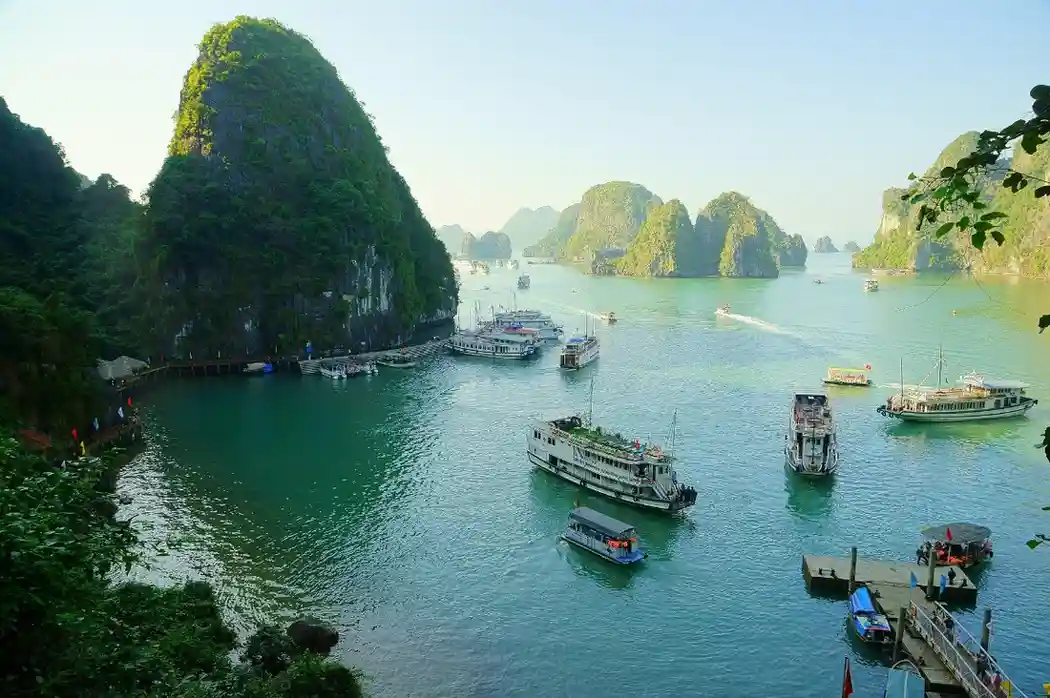
2. Ha Long Bay – A Natural Wonder
Ha Long Bay continues to rank high among the top places to visit in Vietnam. Known for limestone karsts and emerald waters, it offers unforgettable cruises, kayaking, and luxury overnight stays.
3. Da Nang – Beaches and Modern Living
Da Nang has emerged as a favorite among digital nomads. With clean beaches, modern cafes, and proximity to Hoi An, it is one of the fastest-growing places to visit in Vietnam.
4. Hoi An – Lanterns and Heritage
Hoi An’s ancient town is a UNESCO World Heritage Site and a highlight for anyone explore. Its lantern-lit streets, tailor shops, and riverside charm make it timeless.
5. Ho Chi Minh City – Energy and Innovation
Formerly Saigon, this city represents Vietnam’s modern spirit. It is among the most dynamic places to visit in Vietnam, offering nightlife, shopping, historical museums, and rooftop dining.
6. Sapa – Mountains and Rice Terraces
Nature lovers searching for scenic places to visit in Vietnam often head to Sapa. The misty mountains, ethnic villages, and rice terraces provide unmatched beauty.
Vietnam’s Food Scene: A Major Travel Magnet
Vietnamese cuisine is one of the strongest reasons travelers keep returning. Pho, banh mi, fresh spring rolls, and regional seafood specialties enhance the experience of exploring. Food tours and cooking classes are now a major part of Vietnam tourism in 2026.
Affordable Luxury and Sustainable Tourism
Vietnam offers luxury at prices far lower than many global destinations. Eco-resorts, boutique hotels, and sustainable homestays are now common across popular places to visit in Vietnam. This focus on responsible tourism attracts conscious travelers.
Digital Nomad Friendly Travel
With fast internet, co-working spaces, and long-stay visas, Vietnam has become a hotspot for remote workers. Cities like Da Nang and Ho Chi Minh City are now essential places to visit in Vietnam for digital nomads.
Travel Tips for Vietnam in 2026
Best time to visit: March to May
Currency: Vietnamese Dong
Transport: Domestic flights, trains, and Grab
Language: Vietnamese (English widely spoken in tourist areas)
For more Asia travel insights, visit Myexplorely.com for detailed itineraries and guides.
External Travel Resource
For official travel updates, check Vietnam National Administration of Tourism: https://vietnam.travel
FAQs About Traveling to Vietnam in 2026
Q1. Why is Vietnam so popular in 2026?
Vietnam is popular due to affordability, safety, diverse places to visit in Vietnam, rich culture, and improved tourism infrastructure.
Q2. What are the best places to visit in Vietnam for first-timers?
Hanoi, Ha Long Bay, Hoi An, Da Nang, and Ho Chi Minh City are the best places to visit in Vietnam for first-time travelers.
Q3. Is Vietnam safe for tourists?
Yes, Vietnam is considered one of the safest Asian countries for travelers.
Q4. Is Vietnam good for family travel?
Absolutely. Many places to visit in Vietnam offer family-friendly resorts, beaches, and cultural attractions.
Q5. How expensive is Vietnam travel?
Vietnam remains budget-friendly, making it ideal for long stays and luxury travel at lower costs.
Italy is a destination that captures the heart of every traveler. From the rugged peaks of the north to the sun-kissed shores of the south, the variety is truly staggering. Whether you are looking for art, history, or gastronomy, this Explorely Guide highlights the most enchanting experiences you can have while exploring the top places to visit in Italy.
1. Drift Through the Venetian Canals
Venice remains one of the most iconic places to visit in Italy. A gondola ride at twilight is a transformative experience as the water reflects the ancient architecture. For those seeking hidden gems in Venice, wandering through the quiet Cannaregio district offers a glimpse into local life away from the crowds.
2. Witness the “Pink Glow” of the Dolomites
The Italian Alps offer some of the most dramatic places to visit in Italy. During sunset, the Dolomites experience Enrosadira, where the peaks turn a brilliant shade of pink. This area is perfect for affordable hiking trips in Italy, providing breathtaking views without the high price tag of the major cities.
3. Step Back in Time in the Sassi di Matera
Matera is frequently cited as one of the most historically significant. This city, carved entirely out of limestone, offers a hauntingly beautiful atmosphere. It is one of the best places to visit in Italy for history lovers who want to see prehistoric cave dwellings that are still in use today as luxury hotels.
4. Savor a Wine Tasting in Tuscany
The rolling hills of Tuscany are among the most romantic places to visit in Italy. Sipping a glass of Chianti while overlooking a vineyard in the Val d’Orcia is a sensory delight. If you are looking for authentic wine tours in Tuscany, visiting small, family-owned estates is the best way to experience the region’s heritage.
5. Explore the “Frozen” Streets of Pompeii
For those interested in archaeology, Pompeii is one of the essential places to visit in Italy. Preserved by volcanic ash, this Roman city offers an unparalleled look at ancient life. It is widely considered one of the most famous landmarks in Italy and a must-see for anyone staying in nearby Naples or the Amalfi Coast.
6. Boat Through the Blue Grotto in Capri
The island of Capri is one of the most glamorous places to visit in Italy. Taking a small wooden boat into the Blue Grotto, where the water glows an electric blue, is a bucket-list moment. This remains one of the top-rated coastal attractions in Italy for luxury seekers and nature enthusiasts alike.
7. Hike the Pastel Villages of Cinque Terre
Cinque Terre is arguably one of the most photogenic places to visit in Italy. These five fishing villages clinging to the cliffs offer incredible hiking trails. If you are searching for scenic coastal walks in Italy, the “Path of Love” provides stunning vistas of the Ligurian Sea.
Conclusion: Planning Your Trip
With so many incredible, narrowing down your itinerary can be difficult. From the Renaissance art of Florence to the bustling streets of Rome, the places to visit in Italy are endless. For more curated travel tips and hidden gems, visit us at Myexplorely.com. You can also find official travel updates on the Italian National Tourism Website.
FAQ: Exploring the Best Places to Visit in Italy
What are the best places to visit in Italy for a first-timer? Most first-time visitors focus on the “Big Three”: Rome, Florence, and Venice. These offer a perfect blend of history, art, and world-class cuisine.
When is the best time to visit Italy? The shoulder seasons of spring and autumn are the best times to explore. You will enjoy mild weather and significantly smaller crowds compared to the hot summer months.
How do I travel between the different places? The high-speed train network (Trenitalia and Italo) is the most efficient way to get around. It connects all the major places in Italy, making city-hopping both fast and affordable.
Are there budget-friendly places to visit in Italy? Yes! Southern regions like Puglia and Sicily are generally more affordable than the north. These places in Italy offer incredible beaches and historic sites at a fraction of the cost found in Tuscany or Lombardy.
Switzerland, renowned for its breathtaking Alpine landscapes, pristine lakes, and charming cities, offers diverse experiences for every traveler. This guide delves into the best tourist places in Switzerland, highlighting iconic attractions and revealing undiscovered Switzerland travel destinations that promise an authentic Switzerland experience. The country’s unique blend of natural beauty, rich heritage, and efficient infrastructure makes it a sought-after destination, aiming to showcase for a balanced and genuine journey.
Iconic Switzerland Travel Destinations You Can’t Miss
Majestic Peaks and Alpine Adventures: The Swiss Alps
The Swiss Alps are undeniably among the best places in Switzerland, captivating visitors with dramatic peaks, expansive glaciers, and world-class ski resorts. Valais, for example, is renowned for winter sports and summer trekking Untitiled(Boscoboinik & Cretton, 2017) . Switzerland’s allure centers on naturalness and mountains, echoed in its ‘Get natural’ slogan Untitiled(Boscoboinik & Cretton, 2017) . Beyond skiing, the Alps offer thrilling hiking, mountaineering, and paragliding, making exploration of these majestic mountains essential to experiencing the places in Switzerland.
Enchanting Lakes and Vibrant Cities: Zurich, Geneva, and Lucerne
Switzerland’s cities and lakes are equally captivating and represent some of the best places in Switzerland. Major hubs like Zurich and Geneva are top, leading the country in international overnight stays (Stettler, 2017; Thi, 2018). Other notable for overnight visits include Zermatt, Lucerne, St. Moritz, Davos, and Interlaken (Stettler, 2017). Complemented by numerous scenic lakes (2019), these urban centers are frequently ranked among the best places in Switzerland for their blend of culture, shopping, and natural beauty. Exploring these regions provides a balanced view of the best in Switzerland.
Undiscovered Switzerland: Unveiling Hidden Gems
Authentic Switzerland Experience: Beyond the Postcard Views
To experience authentic Switzerland, venture beyond famous sites. While some “living traditions” are commercialized by the tourist lobby (Adell, 2017; Bideau, 2017; Fournier, 2017; Scher, 2017), many travelers now seek “rural authenticity” and genuine outdoor connections (Boscoboinik & Cretton, 2017). This pursuit of local food and nature (Boscoboinik & Cretton, 2017) reveals a deeper appreciation for the country and highlights many of the best places in Switzerland that are often overlooked.
Best Hidden Tourist Places in Switzerland
Pristine Valleys and Serene Lakes
Many parts of Switzerland offer best hidden places in Switzerland that provide a tranquil escape from crowds. Lake Klöntal, situated at an altitude of 848 meters, is widely regarded as one of Switzerland’s most beautiful lakes, reminiscent of a Norwegian fjord (Lake Klöntal, 2022). Its surrounding region is rich in natural features, offering an unparalleled leisure paradise (Lake Klöntal, 2022). The Binn Valley, known for its diverse mineral deposits, and the Simplon Pass, connecting Switzerland with Northern Italy, are other areas that offer unique exploration opportunities (Heß et al., 2023). These locations exemplify the unexplored natural beauty Switzerland holds, making them some of the best tourist places in Switzerland for quiet contemplation and adventure.
Unexplored Natural Beauty Switzerland: A Journey into Wilderness
Glacial Lakes, Remote Trails, and Wildlife Habitats
Switzerland offers vast areas of unexplored natural beauty Switzerland, particularly within its extensive wilderness areas in mountainous regions (Radford et al., 2018). The central Alps have been identified as a potential wilderness hotspot in Europe, playing a significant role in conservation (Radford et al., 2018). These areas provide an unblemished natural setting for activities like hiking, mountain biking, and simply enjoying the solitude of nature. Travelers can find peaceful moments wandering through a forest or over a high plateau, experiencing the profound tranquility of untouched landscapes (Estermann, 2022). Such places are among the best tourist places in Switzerland for experiencing the wilder side of the country.
The Jura Region: A Different Side of Swiss Nature
The Jura region, while perhaps less dramatic than the high Alps, offers a distinct kind of unexplored natural beauty Switzerland with its rolling hills, dense forests, and deep valleys. This area is characterized by strong local and cantonal identities (Leimgruber, 2013), offering a different perspective on Swiss life and nature. Although not explicitly detailed in the provided search results as a top tourist magnet, regions like the Jura provide ample opportunities for hiking, exploring picturesque villages, and discovering a quieter, more intimate side of the country, solidifying its place among the tourist places in Switzerland for those who prefer understated charm and authentic experiences.
Planning Your Trip to the Best Tourist Places in Switzerland
Accommodation and Transportation Tips
When planning your visit to the places in Switzerland, you’ll find a wide range of accommodation, from luxurious alpine resorts to cozy guesthouses in quaint villages. Switzerland boasts an exceptionally efficient public transportation system, including trains, buses, and boats, making it easy to navigate between major cities and remote destinations. A Swiss Travel Pass can be an excellent investment for exploring the places in Switzerland conveniently. Ensuring seamless travel arrangements is key to enjoying the best places in Switzerland.
Cultural Etiquette and Local Insights
To truly immerse yourself in an authentic Switzerland experience, understanding and respecting local customs is invaluable. Politeness and punctuality are highly valued. Basic greetings in German, French, or Italian, depending on the region, will be appreciated. While English is widely spoken in tourist areas, a few local phrases can enhance interactions. Embracing the relaxed pace of Swiss life, especially in rural areas, allows for a more profound connection with the culture and the people as you explore the places in Switzerland. These insights are crucial for a fulfilling journey to the best places in Switzerland.
Frequently Asked Questions About Traveling in Switzerland
What are the safest places to visit in Switzerland?
Switzerland is widely recognized as one of the safest countries in the world, making virtually all its regions among the places in Switzerland for security and peace of mind. Major cities and tourist destinations maintain very low crime rates. When visiting any of the standard precautions, such as safeguarding valuables and being aware of your surroundings, are always advisable, but travelers can generally feel very secure throughout their journey. This safety factor significantly contributes to the appeal of the places in Switzerland.
How much does a trip to Switzerland typically cost?
Switzerland is known for being a relatively expensive travel destination, although costs can vary significantly depending on travel style, accommodation choices, and activities. Accommodation, dining, and transportation tend to be higher than in many other European countries. However, the unparalleled quality of services and the stunning natural beauty offered by the places in Switzerland often justify the investment. Budget-conscious travelers can find ways to save by utilizing public transport passes, cooking some of their own meals, and opting for more modest lodging, allowing them to still enjoy the places in Switzerland.
What is the best time of year to visit Switzerland?
The best places in Switzerland offer distinct charms in every season. The summer months are ideal for hiking, exploring lakes, and enjoying alpine activities, with pleasant temperatures. Winter transforms Switzerland into a snowy paradise, perfect for skiing and snowboarding. Spring brings blooming wildflowers and fewer crowds, while autumn offers stunning foliage and pleasant hiking weather. The optimal time to visit depends heavily on the activities you wish to pursue among the best places in Switzerland.
Are there any visa requirements for Switzerland?
Switzerland is part of the Schengen Area. Therefore, visa requirements for entering Switzerland typically align with Schengen visa policies. Many nationalities can enter Switzerland visa-free for short stays (up to 90 days within a 180-day period). However, for other nationalities, a Schengen visa may be required. It is crucial to check the specific visa requirements based on your nationality well in advance of your trip to by consulting the official Swiss government or embassy websites. Ensuring visa compliance is a key step when planning to visit the best places in Switzerland.
What local dishes should I try in Switzerland?
Exploring Swiss cuisine is an integral part of an authentic Switzerland experience and enjoying the best places in Switzerland. Iconic dishes include cheese fondue and raclette, which are perfect for warming up after a day in the mountains. Rösti, a crispy potato dish, is a staple, often served with various accompaniments. For sweet treats, Swiss chocolate is world-renowned, and you must try local pastries. Each region may have its own specialties, offering a delicious culinary journey. These culinary delights enhance the overall experience of the best places in Switzerland.
Conclusion: Your Unforgettable Journey Through Switzerland
Switzerland, with its harmonious blend of awe-inspiring natural beauty, vibrant cultural tapestry, and sophisticated infrastructure, promises an unforgettable journey. From the majestic peaks of the Alps to the serene beauty of its countless lakes, and from the lively urban centers to the peaceful, undiscovered Switzerland travel destinations, every corner of the nation offers a unique allure. Whether you are in pursuit of an authentic Switzerland experience through deep cultural immersion, eager to explore the best hidden places in Switzerland, or yearn to witness the unexplored natural beauty Switzerland so generously displays, this diverse country is ready to captivate and inspire. Your adventure through the best places in Switzerland awaits, promising memories that will last a
From the bustling historical sites of Istanbul to the serene, less-trodden paths of its Eastern Black Sea region, Turkey offers a multifaceted tapestry of experiences for every traveler (Akyol & Arıca, 2016; Khan, 2020). This guide delves into the best tourist places in Turkey, revealing both its renowned attractions and the undiscovered Turkey travel destinations that promise an authentic Turkey experience. Beyond the well-trodden paths, the country boasts a rich historical lineage, encompassing periods from the Hittites to the Ottomans, alongside diverse geographic and climatic zones that offer a plethora of touristic opportunities (Bağış & Yurtseven, 2017). We will explore why these locations are considered the best places in Turkey, catering to diverse interests and ensuring a memorable visit.
Iconic Turkey Travel Destinations You Can’t Miss
Historical Marvels: Istanbul’s Grandeur and Ancient Ruins
Turkey’s landscapes are deeply embedded with history, making its ancient sites some of the best tourist places in Turkey. Istanbul leads with iconic landmarks like the Hagia Sophia, Blue Mosque, and Topkapi Palace, reflecting centuries of imperial culture (Genc & Temizkan, 2023). Beyond the city, history enthusiasts can hike the Lycian Way to discover royal tombs or explore Antalya’s ancient ruins, including Sillyon, Termessos, and the magnificent Aspendos Theater—all solidified as the best places in Turkey for their immense aesthetic and cultural value (Aydın, 2024; Genc & Temizkan, 2023).
Natural Wonders: Cappadocia’s Fairy Chimneys and Pamukkale’s Terraces
Beyond historical grandeur, Turkey is home to surreal natural landscapes, which are undeniably some of the best tourist places in Turkey for nature lovers. Cappadocia is famed for its unique ‘fairy chimney’ rock formations and ancient cave dwellings, offering unique photo opportunities and hot air balloon rides over this breathtaking scenery. Pamukkale mesmerizes with its dazzling white travertine terraces, inviting visitors to bathe in its mineral-rich waters. These natural wonders are consistently ranked among the best places in Turkey for their unparalleled beauty and unique experiences, attracting visitors globally to these extraordinary sites. For more detailed city guides, check out to plan your specific walking routes. Top 19 best tourist attractions in delhi
Undiscovered Turkey: Unveiling Hidden Gems
Authentic Turkey Experience: Beyond the Beaten Path
For those seeking an authentic Turkey experience, moving beyond mainstream tourism to engage with local cultures and communities is paramount (Onat, 2019). This pursuit of authenticity often leads to transformative travel experiences, impacting travelers’ attitudes and behaviors (PALA et al., 2022). Visitors increasingly desire genuine interactions with locals and to discover less-trodden locations, identifying them as potential best tourist places in Turkey for a unique adventure (Aydın, 2024). Cultural tourism, including routes like those in Antakya, plays a vital role in local empowerment and provides unique cultural insights (Onat, 2019; Ors, 2016). This focus on genuine engagement fosters sustainable tourism and allows a deeper appreciation of the country’s diverse offerings, revealing the truly undiscovered Turkey.
Best Hidden Tourist Places in Eastern Black Sea Turkey
Majestic Mountains and Verdant Plateaus
The Eastern Black Sea Region represents some of the best hidden tourist places in Eastern Black Sea Turkey, known for its varied topography, coastal areas, and towering mountain peaks (Khan, 2020). The region is administratively subdivided into seven provinces: Ordu, Giresun, Trabzon, Rize, Artvin, Gümüşhane, and Bayburt (Khan, 2020). This area offers significant potential for mass tourism, nature tourism, ecotourism, and health tourism due to its diverse natural characteristics and pleasant weather (Khan, 2020), making it one of the best places in Turkey for scenic beauty.
The Kaçkar Mountain Range in northeastern Turkey is a national park featuring peaks over three thousand meters, glacial lakes, and alpine meadows (Korkmaz et al., 2025). It’s a popular destination for mountaineering, trekking, skiing, camping, and nature photography (Korkmaz et al., 2025). High plateaus, such as Çambaşı in Ordu, Kümbet in Giresun, and Ayder Thermal Springs in Rize, are also significant tourism centers within this region (Batman et al., 2019). These areas truly embody the unexplored natural beauty Turkey offers, attracting adventurers and nature enthusiasts to some of the best places in Turkey off the beaten path.
Unexplored Natural Beauty Turkey: A Journey into Wilderness
Lakes, Forests, and Canyons: Nature’s Masterpieces
Turkey holds vast areas of unexplored natural beauty Turkey, providing even more of the best places in Turkey for outdoor activities. The coastal region between İğneada and Kastro Bay on the Thracian Black Sea coast provides diverse forest ecosystems with clean air and suitable climates for picnicking, trekking, camping, and photography (Erginal, 2017). Lakes and lagoons, like Lake Mert and Lake Erikli, offer ideal settings for nature-based activities (Erginal, 2017).
Inland, Köprülü Canyon National Park is excellent for outdoor sports, including rafting, hiking, and caving, owing to its natural beauty and historical elements (Çalık & Sertbaş, 2014). Ilgaz Mountain National Park also offers suitable environments for mountaineering and photography, especially with its rich spring vegetation and diverse wildlife (Çetin & Şevik, 2016). The Longoz Forest in Bursa, Turkey’s largest flooded forest, contributes to the district’s aesthetic value and visitor well-being (Çelik & Şenay, 2023). These locations exemplify the unexplored natural beauty Turkey provides, cementing their status as some of the best tourist places in Turkey for an adventure.
Planning Your Trip to the Best Tourist Places in Turkey
Accommodation and Transportation Tips
When planning your visit to the best tourist places in Turkey, consider a range of accommodation from luxury hotels to boutique guesthouses. Extensive public transport, including buses and domestic flights, connects major sites, but renting a car might be preferred for exploring the undiscovered Turkey. Taxis and “dolmuş” (shared minibuses) are convenient for local travel (Ermağan, 2016). Preparing adequately ensures you fully enjoy the best places in Turkey by allowing for flexible and comfortable exploration.
Cultural Etiquette and Local Insights
For an authentic Turkey experience, understanding local cultural etiquette is beneficial. This includes removing shoes in mosques and homes, dressing modestly at religious sites, and using basic Turkish greetings. The renowned hospitality of the Turkish people enhances interactions, making your journey through the best tourist places in Turkey more enriching. These insights help travelers appreciate the nuances and charm of the best places in Turkey.
Table of Contents
Frequently Asked Questions About Traveling in Turkey
What are the safest places to visit in Turkey?
While specific data on the safest individual locations was not found in the search results, popular tourist destinations and major cities in Turkey are generally considered secure for travelers, making them some of the best tourist places in Turkey for peace of mind. It is always wise to adhere to standard travel safety guidelines, remain informed about local conditions, and consult your country’s travel advisories for the most current information. Prioritizing well-established tourist routes often contributes to a sense of security when visiting the best places in Turkey.
How much does a trip to Turkey typically cost?
Turkey is widely regarded as an affordable travel destination, particularly concerning food prices (Eren, 2019). Travelers spend, on average, about $575 on food and beverages during their trips, accounting for approximately 18.9% of their total travel budget (Gıersbergen & Özkanlı, 2019). This makes Turkey an attractive option for those conscious of their spending, enhancing its appeal as one of the best tourist places in Turkey for budget-conscious travelers. Overall trip expenses can fluctuate significantly based on choices in accommodation, activities, and travel style, but it is certainly possible to enjoy a fulfilling trip within a moderate budget at the best places in Turkey.
What is the best time of year to visit Turkey?
The provided search results did not offer specific guidance on the optimal time of year to visit Turkey. However, generally, the spring months and autumn months are often recommended as the best tourist places in Turkey are most enjoyable during these periods. During these times, the weather is typically mild and pleasant, ideal for sightseeing and outdoor activities, avoiding the peak summer heat and the cooler winter temperatures prevalent in many regions. Coastal areas are particularly popular during the summer, but for a comprehensive exploration of the best tourist places in Turkey, spring and autumn offer optimal conditions.
Are there any visa requirements for Turkey?
Many nationalities benefit from visa exemption agreements with Turkey, allowing them to stay for up to 90 days within a 180-day period (KOCAOĞLU, 2012). For other travelers, an e-Visa or a traditional visa may be necessary. It is essential to verify the most up-to-date visa requirements based on your specific nationality well in advance of your planned trip to Turkey to ensure a smooth visit to the best tourist places in Turkey. Consulting official Turkish government websites is the most reliable method for obtaining this critical information.
What local dishes should I try in Turkey?
Turkish culinary traditions offer a competitive edge for gastronomy tourism, blending rich flavors with reasonable prices. From iconic döner and rakı to healthful yogurt and olive oil dishes, the diversity of regional specialties makes the country a top destination for food lovers (Eren, 2019). Whether enjoying local street food or premium seafood, exploring these flavors is a highlight of visiting the best tourist places in Turkey (Ermağan, 2016).
Conclusion: Your Unforgettable Journey Through Turkey
Discover the best tourist places in Turkey, from the dynamic energy of Istanbul to the serene, hidden destinations of the Eastern Black Sea. Whether you crave deep cultural immersion or the nation’s unexplored natural beauty, Turkey’s diverse landscapes are ready to captivate every traveler.
Begin with questions. Ask a barista, a shop owner, or a host where they spend Sundays. Locals know simple corners that do not make the guidebooks, and they will tell you about hidden tourist attractions in Costa Rica without a sales pitch. Take their suggestions seriously, arrive without an agenda, and let the place show itself. Walk the less worn lane, accept a detour, and be present.
Choose places on the margins of popular routes. A short bus ride beyond a busy town, a quiet ferry landing, or a road that turns inland often leads to some of the No 1 Discover Hidden Tourist Attraction in Costa Rica that remain untouched by mass tourism. These are the spots where you can taste an honest meal, listen to neighborhood conversations, and watch routines that have not been rewritten for visitors
.
Many Costa Rica tourist attraction remain special
Local shops, avoid loud parties in residential areas, and leave no litter behind. Respect customs, cover up at sensitive sites, and ask before photographing people. Small acts of courtesy help preserve the charm that makes these tourist attraction worth visiting.
Timing improves the experience. Travel during shoulder seasons or early in the morning to enjoy Costa Rica attractions at their calmest. A village empty at dawn can fill by midday, and a quiet beach at sunset can feel like a private escape. Changing when you arrive often reveals a more authentic side of Costa Rica travel.
Slow down. Swap a checklist for curiosity. Eat in neighborhood restaurants, buy from local markets, and use public transport at least once. These choices help you experience authentic Costa Rica tourist spots beyond crowded landmarks. A curious walk may reveal a courtyard, a mural, or a friendly exchange that becomes the story you remember most.
Make discovery personal. Hidden tourist attractions are not secret so much as understated. They reward attention: a conversation over coffee, a wrong turn that becomes right, or a peaceful evening stroll. Travel that values listening and presence creates memories deeper than any famous Costa Rica attraction.
Keep a compact list to share, but leave room for surprise and unplanned stops. Photograph less, notice more, and share a few favorites afterward. When recommending Costa Rica tourist attractions, name a simple café, a short hike, or a family-run stall instead of crowded hotspots. Love for hidden tourist attractions grows when travelers act with care.
Encourage friends to explore Costa Rica by asking locals, turning off main roads, and visiting at odd hours. Remind them that the best tourist attractions in Costa Rica stay meaningful only when guests respect people, place, and pace.
Keep notes, leave thoughtful recommendations, and support slow travel. Small acts matter: buying local produce, respecting community schedules, and sharing directions instead of crowds. Travel lightly, and return richer, kinder, and inspired by the true heart of Costa Rica.
Where is Costa Rica located?
Costa Rica is located in Central America, between Nicaragua and Panama, with coastlines on both the Pacific Ocean and the Caribbean Sea.
What is Costa Rica famous for?
Costa Rica is famous for its rainforests, wildlife, beautiful beaches, volcanoes, and eco-tourism experiences.
What is the best time to visit Costa Rica?
The best time to visit Costa Rica is during the dry season from December to April, though the green season offers fewer crowds and lush scenery.
What language is spoken in Costa Rica?
Spanish is the official language of Costa Rica, and English is commonly spoken in tourist destinations.
What currency is used in Costa Rica?
Costa Rica uses the Costa Rican colón, but US dollars are widely accepted in tourist areas.
Contains information related to marketing campaigns of the user. These are shared with Google AdWords / Google Ads when the Google Ads and Google Analytics accounts are linked together.
90 days
__utma
ID used to identify users and sessions
2 years after last activity
__utmt
Used to monitor number of Google Analytics server requests
10 minutes
__utmb
Used to distinguish new sessions and visits. This cookie is set when the GA.js javascript library is loaded and there is no existing __utmb cookie. The cookie is updated every time data is sent to the Google Analytics server.
30 minutes after last activity
__utmc
Used only with old Urchin versions of Google Analytics and not with GA.js. Was used to distinguish between new sessions and visits at the end of a session.
End of session (browser)
__utmz
Contains information about the traffic source or campaign that directed user to the website. The cookie is set when the GA.js javascript is loaded and updated when data is sent to the Google Anaytics server
6 months after last activity
__utmv
Contains custom information set by the web developer via the _setCustomVar method in Google Analytics. This cookie is updated every time new data is sent to the Google Analytics server.
2 years after last activity
__utmx
Used to determine whether a user is included in an A / B or Multivariate test.
18 months
_ga
ID used to identify users
2 years
_gali
Used by Google Analytics to determine which links on a page are being clicked
30 seconds
_ga_
ID used to identify users
2 years
_gid
ID used to identify users for 24 hours after last activity
24 hours
_gat
Used to monitor number of Google Analytics server requests when using Google Tag Manager